
Why we need to conduct Face Fit testing
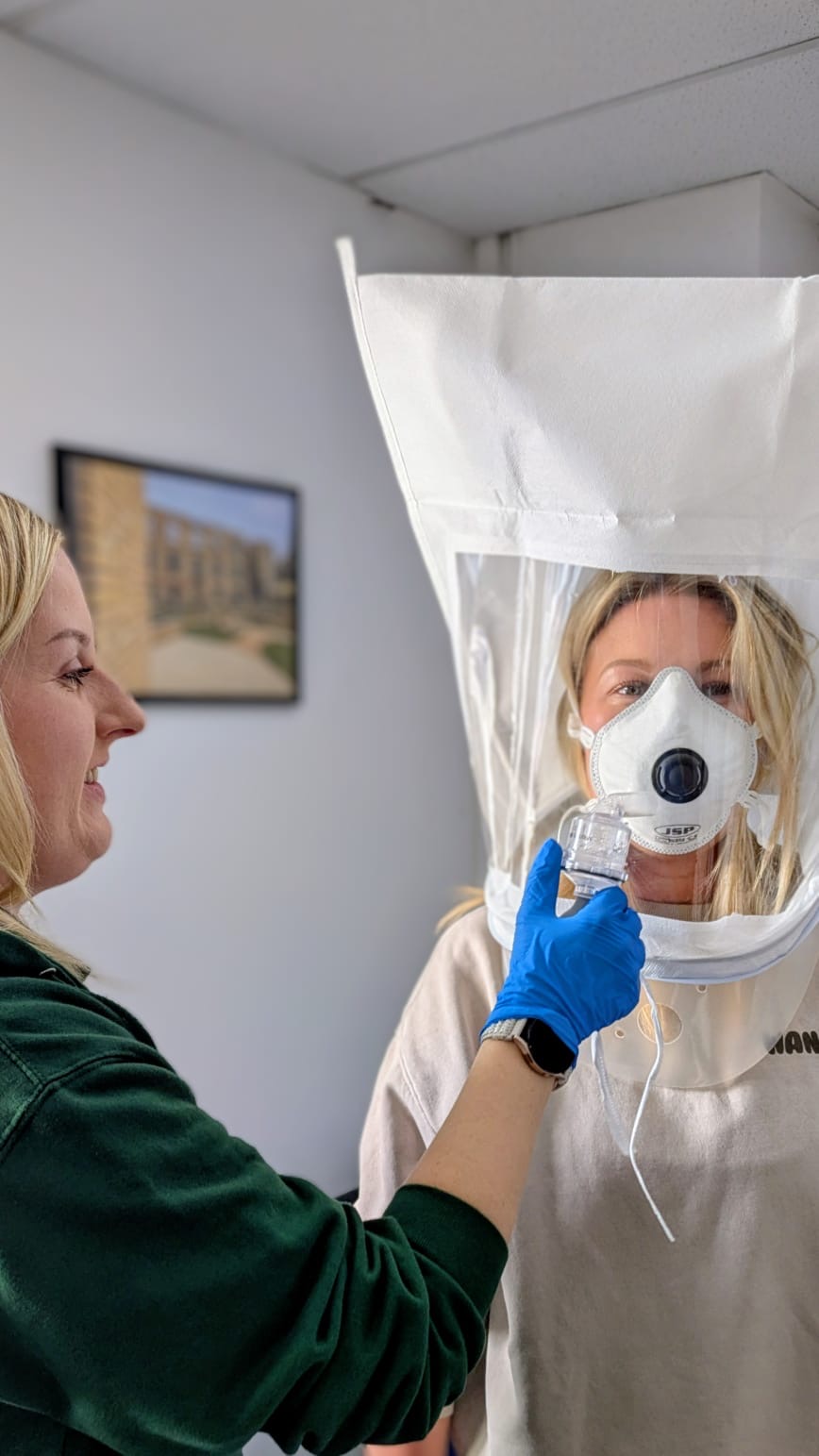
“98% of fit tested workers exceed the minimum protection level, compared to 55% of non-fit tested”
Face fit testing must be carried out by a trained and competent person. The training required to carry out face fit testing includes both the principles of face fit testing and the practical application of the specific method being used.
Employers should make sure the selected RPE is of the right size and can correctly fit the wearer. For tight-fitting facepieces the initial selection should include a Face Fit Test.
A Face Fit Test checks the Negative Pressure Respirator has a confident seal to the face. Without a confident seal there is a chance the user will be breathing in the harmful hazards in their working environment.
THE EMPLOYER SHOULD CHECK:
The RPE is adequate to the hazard to reduce exposure and is Compliant i.e. COSHH, CLAW, CAR, IRR and C/Space Regs
Adequate - right for the hazard and reduces exposure to the level required to protect the wearer’s health.
Suitable - for the environment, task and individual.
Correct sizing of face piece for wearer
Employee has received adequate information and training on the purpose of the RPE, Inspection of RPE, Correct Donning & Doffing and storage
Face Fit Test is completed for all tight-fitting face pieces issued to the employee
Produce and keep documented results for a minimum of 5 years
FACE FIT TEST
Facepiece fit testing is a method of checking that a tight-fitting facepiece matches the wearer’s facial features and seals adequately to their face. It will also help to identify unsuitable facepieces that should not be used. Remember that tight-fitting RPE will only provide effective protection if the wearer is clean shaven, so they should also be clean shaven when fit tested.
You should carry out a fit test:
As part of the initial selection of the RPE or when the RPE is already in use
Every 2 years or when there is a significant change i.e. change of RPE, task, hazard or to individual wearer weight gain/loss, dental work or change to facial features
If RPE is used frequently it is good practice to ensure repeat fit testing is carried out on a regular basis
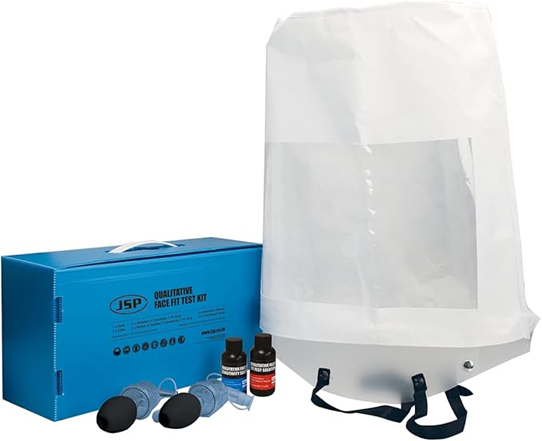
Haswell Training offer a Train to Face Fit course (Qualitative Testing)
This course covered the following learning outcomes:
1. Legislation and guidance with reference to; HSG53, HSE282/28 & INDG479
2. The types of Respiratory Protective Equipment
3. Why we need to conduct face fit testing
4. Types of Face Fit Testing - Qualitative & Quantitative
5. Face Fit Procedure – Demonstration of Inspection and correct fitting of mask
6. Test Protocols, Requirements and Exercises
7. Practical Testing Process in accordance with HSE Test Protocol HSE 282/28 - Qualitative fit testing

About the author: Steve Cook
View Steve Cook's full bioDiscover more blog content
This page aims to provide you with some clarity and options to support you in making that step. ...
Book in a free meeting with our wellbeing lead who can visit you and your team in person or via M...
Those working in construction are nearly four times more likely to take their own life when compa...
Here we will explore what asbestos is, what a Category A Asbestos Awareness Course entails (https...
Our aim is to share a weekly blog exploring all things Haswell and training related.